Health and Safety Policy for Temple Removals
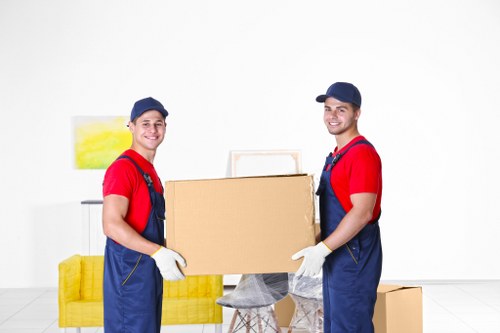 Temple Removals is committed to maintaining a safe, professional, and responsible working environment for every person involved in a move. This health and safety policy sets out the standards that guide our operations, from planning and packing to lifting, transporting, and unloading. Our aim is to reduce risk, protect property, and support a reliable removals service that places wellbeing at the centre of every task.
We recognise that each relocation carries different challenges. Houses, flats, offices, and specialist items all require careful handling, so our teams follow consistent procedures to identify hazards and control them before work begins. This includes assessing access routes, checking equipment, and confirming that staff are prepared for the conditions they may encounter. We expect a proactive approach to safety at every stage of the move.
Temple Removals also expects all workers to take personal responsibility for safe conduct. Every member of the team must act with care, communicate clearly, and report any concerns immediately. Safe practice is not optional; it is an essential part of our service and a shared duty across the business. By combining planning, awareness, and good teamwork, we can reduce avoidable incidents and maintain high standards.
Our Safety Commitments
We are committed to providing a workplace where hazards are identified early and controlled effectively. Before any removal, our teams review the job requirements, likely manual handling risks, and any environmental factors that could affect the move. Floors, stairs, tight corners, low lighting, and fragile surfaces are all considered as part of our preparation. We also ensure that equipment is suitable, maintained, and used correctly.
Training is a core part of our approach. Staff receive instruction in manual handling, safe lifting techniques, route planning, use of moving aids, and the correct handling of heavy or awkward items. We expect employees to work within their capabilities and to ask for assistance where needed. No item should be carried in a way that places a person at unnecessary risk. The emphasis is always on controlled, steady, and safe movement.
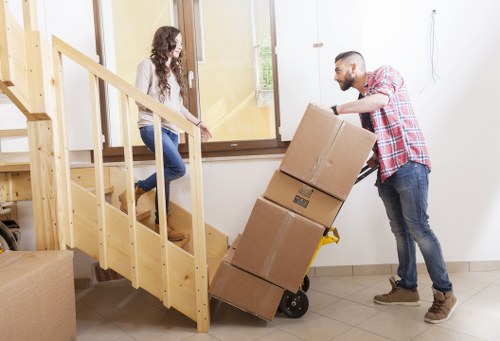 Where specialist items are involved, such as pianos, antiques, artwork, or sensitive office equipment, additional precautions are taken. These may include protective wrapping, extra staffing, item-specific lifting methods, and careful positioning in vehicles. We recognise that a successful move depends not only on efficiency but also on preserving the condition of the items being moved and protecting everyone involved in the process.
Risk Assessment and Safe Working Practices
 Risk assessment is a vital part of every removal job. We aim to review the property layout, access points, parking arrangements, weather conditions, and any known obstacles before work starts. If conditions change during the move, the team reassesses the task and adjusts the method accordingly. This flexible but disciplined approach helps us respond to risks without compromising safety.
Manual handling remains one of the most significant risks in removals, so we take it seriously. Items are lifted using correct posture, with the load kept as close to the body as possible. Whenever an object is too heavy, bulky, or unstable to move safely by one person, the task is shared or mechanical assistance is used. This policy supports a culture of careful teamwork and sensible decision-making.
We also expect high standards in vehicle loading and transport. Goods must be secured to prevent movement during transit, and loads should be arranged to reduce pressure on fragile or top-heavy items. Drivers and handlers are responsible for checking that the vehicle is fit for purpose and that all items are stowed safely. A tidy, organised load is not only efficient but also an important part of our removals safety policy.
Responsibilities of Staff and Management
Management is responsible for providing the resources, supervision, and guidance needed to uphold this policy. That includes maintaining equipment, supporting training, and ensuring that work is properly planned. Supervisors must lead by example, monitor safe practices, and intervene when unsafe behaviour is observed. Safety must be built into the way we work, not added as an afterthought.
Employees are expected to wear suitable clothing and any necessary personal protective equipment, depending on the task. They must remain alert, avoid rushing, and never ignore a hazard because a job feels routine. Reporting damaged equipment, unsafe access, or possible injury is essential. A strong health and safety culture depends on openness, accountability, and prompt action.
We also expect all staff to respect the client’s property and premises. This means protecting walls, floors, doors, and fixtures where needed, keeping walkways clear, and behaving professionally at all times. Good conduct is part of safe working because it reduces confusion, prevents accidents, and helps the move progress smoothly and respectfully. Safety and service quality go hand in hand.
Emergency Response and Review
 If an incident occurs, the immediate priority is to protect people from further harm. Staff must stop work if necessary, provide first aid where appropriate, and report the situation through the correct internal process. Any accident, near miss, or injury is taken seriously and reviewed so that lessons can be learned and future risks reduced. This helps us improve continuously and strengthen our procedures.
Emergency situations may include slips, falls, vehicle issues, damaged property, or sudden changes in site conditions. In each case, the team should remain calm, follow instructions, and seek assistance without delay. We encourage a measured response that puts people first and avoids making a difficult situation worse. Clear communication is essential during any emergency.
Our policy is reviewed regularly to ensure it remains effective, practical, and aligned with the nature of our work. Updates may be made when new equipment is introduced, when working methods change, or when incidents suggest that improvements are needed. The objective is simple: to maintain a safe, dependable removals operation that protects staff, customers, and property.
Policy Statement
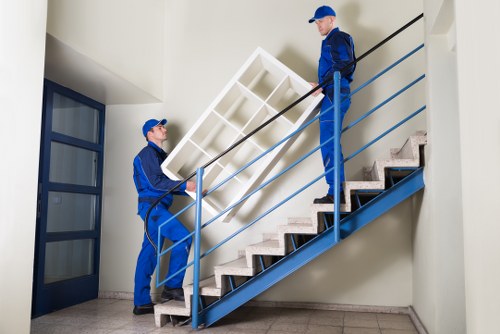 Temple Removals believes that every move should be completed with caution, competence, and respect for the people involved. By following this policy, we aim to create a workplace where risks are controlled, responsibilities are clear, and safe choices are supported at every level. Health and safety is a shared commitment, and it remains central to the way we deliver our services.